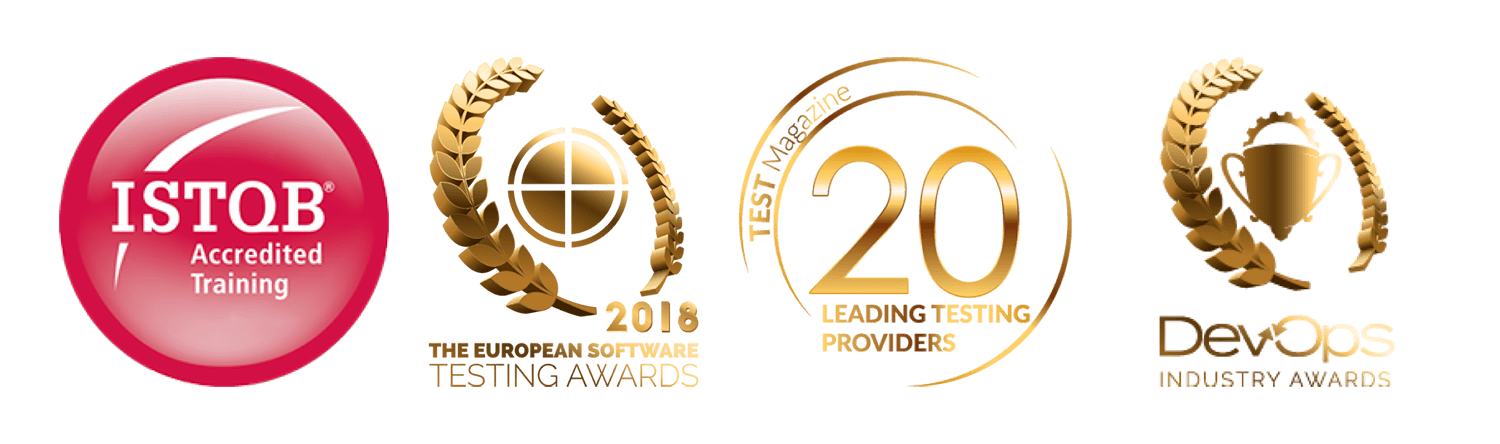
Keytorc, Avrupa’nın önde gelen yazılım test ödüllerinden European Software Testing Awards’ta 2015-2018 yıllarında dört kez üst üste finalist olmuş ve 2018’de Best User Experience (UX) Testing in a Project kategorisinde birincilik ödülü kazanmıştır. Ayrıca, Test Magazine dergisi, Keytorc’u dünyanın en iyi 20 test şirketinden biri olarak göstermiştir.
European Software Testing Awards Winner
16-17 Temmuz 2026
ISTQB® Foundation Level Uluslararası Sertifikalı Yazılım Test Uzmanı Eğitimi
29-30 Eylül 2026
ISTQB® Uluslararası Sertifikalı Advanced Level Yazılım Test Uzmanı – Test Analisti Eğitimi
Kurumunuza Özel Yapay Zeka Çözümleri
Yapay zeka, iş süreçlerini otomatikleştirir, verimliliği artırır ve veriye dayalı karar almayı iyileştirerek şirketlere rekabet avantajı sağlar.
Test Otomastonu
Hizmeti
Manuel test süreçlerini hızlandıran ve maliyetleri azaltan test otomasyonu, yazılım projelerinde verimliliği artırıp hata oranını düşürür.
Yazılım Testi
Dış Kaynak Kullanımı
Test süreçlerini uzmanlara devrederek maliyetleri düşüren bu hizmet, projelerin daha hızlı ve kaliteli tamamlanmasını sağlar.
Yapay Zeka + Yazılım Testi
Kuruma özel geliştirilmiş Yapay Zeka çözümlerimizle yazılım test süreçlerinizi optimize edin.
- Hız: Test süreçlerinizi önemli ölçüde hızlandırın.
- Kapsam: Test kapsamınızı artırarak daha kapsamlı sonuçlar elde edin.
- Verimlilik: Yapay zeka destekli otomasyon sayesinde test süreçlerindeki manuel yükü azaltın.
Yazılım Testinde Yapay Zeka Yardımcılarınız Hazır!
ISTQB® Temel Seviye Sınavı Yardımcısı & Yazılım Test Mentorumuzu Keşfedin.

Yazılım Test Mentoru, test dünyasında kendini geliştirmek isteyenler için rehber niteliğinde bir kaynak sunar. ISTQB® syllabus kapsamındaki test seviyeleri, teknikleri ve stratejileri, test otomasyonu ve güvenlik testi gibi konularla yetkinliğinizi artırın!
ISTQB® Temel Seviye (CTFL) sınavına mı hazırlanıyorsunuz? ISTQB® Temel Seviye (CTFL) sınavına hazırlanırken, geniş kapsamlı kaynaklar, gerçekçi soru bankaları ve syllabus bazlı detaylı açıklamalar ile başarıya ulaşın. Doğru kaynaklarla sınav stratejinizi güçlendirin!
ISTQB® Eğitimleri
Yazılım Testi Çözümleri
Kurumsal Eğitimler
Keytorc olarak, sizlere esnek ve ihtiyaca özel eğitim çözümleri sunuyoruz. İster online açık sınıflarda ister kurumunuza özel kapalı sınıflarda eğitim alabilir, kuruma özel fiyat tekliflerimizden yararlanabilirsiniz.